7 signs your Dubai villa is ready for a renovation
Most people wait until something breaks. The better moment usually arrives long before that, and it is easy to miss.
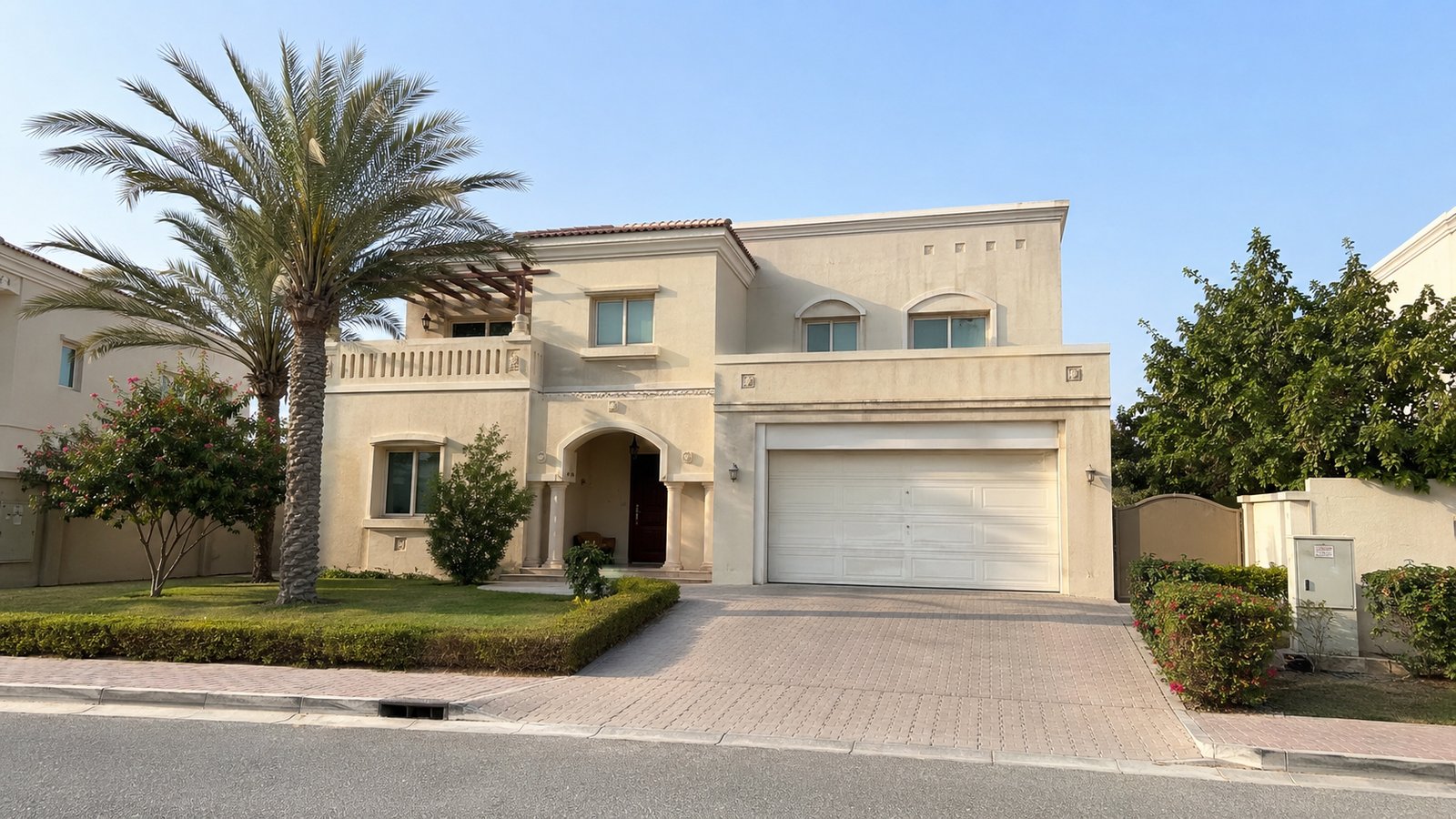
A home rarely tells you it needs renovating in a single dramatic moment. It tells you quietly, through the small ways you have started working around it.
Deciding to renovate is rarely about age. Plenty of older villas work beautifully, and plenty of newer ones already feel wrong. The real question is simpler: does the house still fit the life being lived inside it? Below are the signs that the answer has quietly become no, and what to do about each one.
1. You have started working around the layout
This is the clearest sign, and the easiest to overlook, because you stop noticing your own workarounds. The dining table nobody uses because the kitchen is closed off. The room that became storage by accident. The doorway everyone squeezes past. When you are adapting your behaviour to the house instead of the other way round, the layout is the problem, not you.
The move: before assuming you need more space, look at whether you need better space. Opening a kitchen to a living area, or reworking flow between rooms, often transforms a villa without adding a single square metre.
2. Your life changed but the house didn't
A villa bought for one chapter of life often does not suit the next. A new baby, a home office that became permanent, teenagers who need their own space, parents moving in, or simply entertaining more than you used to. Each of these quietly rewrites what a home needs to do.
The move: renovate around how you actually live now, not how the villa was originally laid out. A dedicated home office, a proper guest suite, or a reconfigured ground floor for entertaining will pay you back every single day.
The most satisfying renovations are almost never about fixing what is broken. They are about matching the home to a life that has moved on since it was built.
3. The finishes are dating the whole house
Finishes age faster than structure, and in Dubai's light and heat they age faster still. Yellowing paint, tired kitchen cabinetry, grout that no longer comes clean, flooring that has lost its finish. Individually they seem minor. Together they make an otherwise sound villa feel a decade older than it is.
The move: this is where the highest visual return hides. Refreshing surfaces, joinery and lighting can lift a villa dramatically for a fraction of what a structural project costs, because you are not moving walls, only what the eye lands on.
4. You are spending more on upkeep every year
When small repairs start stacking up, they are usually a symptom of something older underneath. Aging plumbing, an electrical system that predates how much power a modern home draws, air conditioning that is working harder each summer. Patching these individually costs more over time than addressing them properly once.
The move: if you are renovating anyway, do the invisible work while the walls are open. Redoing MEP mid-project is cheap. Redoing it after the tiling is down is not.
5. The house is quietly uncomfortable
Some discomfort becomes so familiar you stop registering it. Rooms that never cool evenly. A space that is always dark. Poor sound between floors. Storage that ran out years ago so surfaces are permanently cluttered. None of these are dramatic, and all of them wear on you daily.
The move: list the things you have simply put up with. That list is often a better renovation brief than any mood board, because it targets the friction you actually feel rather than the look you think you want.
6. You are thinking about selling or letting
If the villa is heading to the market, the right renovation is not about your taste, it is about return. In Dubai, kitchens, bathrooms, flooring and a clean contemporary finish are what move a property and lift its value most reliably.
The move: renovate selectively, not everywhere. A focused upgrade of the spaces buyers and tenants judge hardest returns far more than spreading the same budget thinly across the whole house.
7. It simply doesn't feel like yours
The least measurable sign, and often the most important. Some villas never quite feel like home, usually because they carry the previous owner's choices, or a developer's default finish that suits no one in particular. You walk in and it still feels like someone else's house.
The move: this is exactly what a considered renovation is for. Not fixing faults, but making a house unmistakably yours, in materials, proportion and detail that reflect how you want to live.
If you recognised more than one
One sign might be worth living with. Three or four together usually means the house is costing you comfort, money, or both, quietly, every day you leave it.
The good news is that you do not need to decide the whole project at once. The best first step is small: an honest look at the villa with someone who renovates them for a living, an idea of what is possible, and a realistic sense of scope and budget before anything is committed. That conversation costs nothing and usually clarifies far more than months of wondering.
If several of these apply, the next questions are what it costs and when to start: what a villa renovation actually costs in Dubai and when is the best time to renovate a villa in Dubai. If the plan is to sell instead, the case is weighed in renovate before you sell in Dubai.